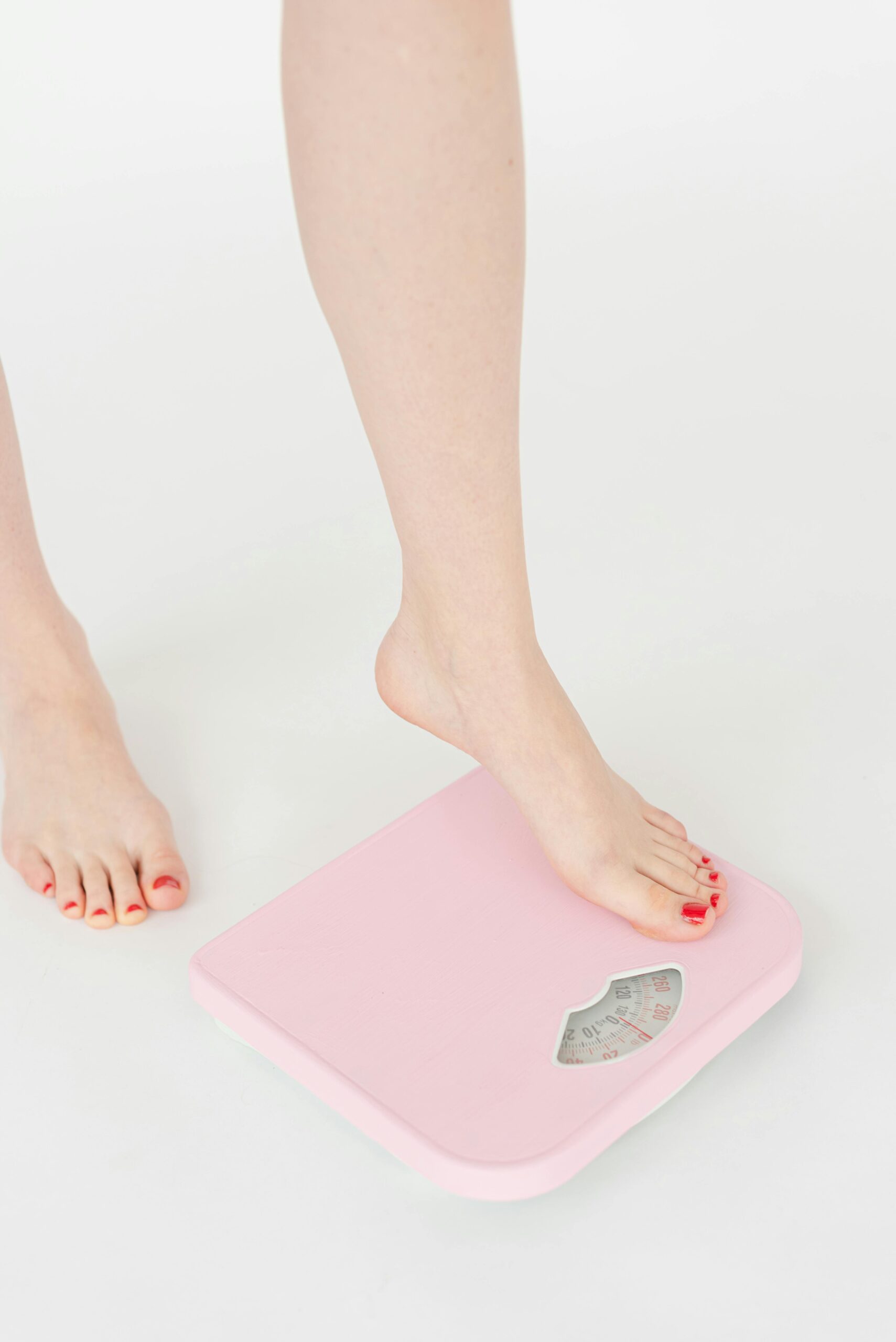
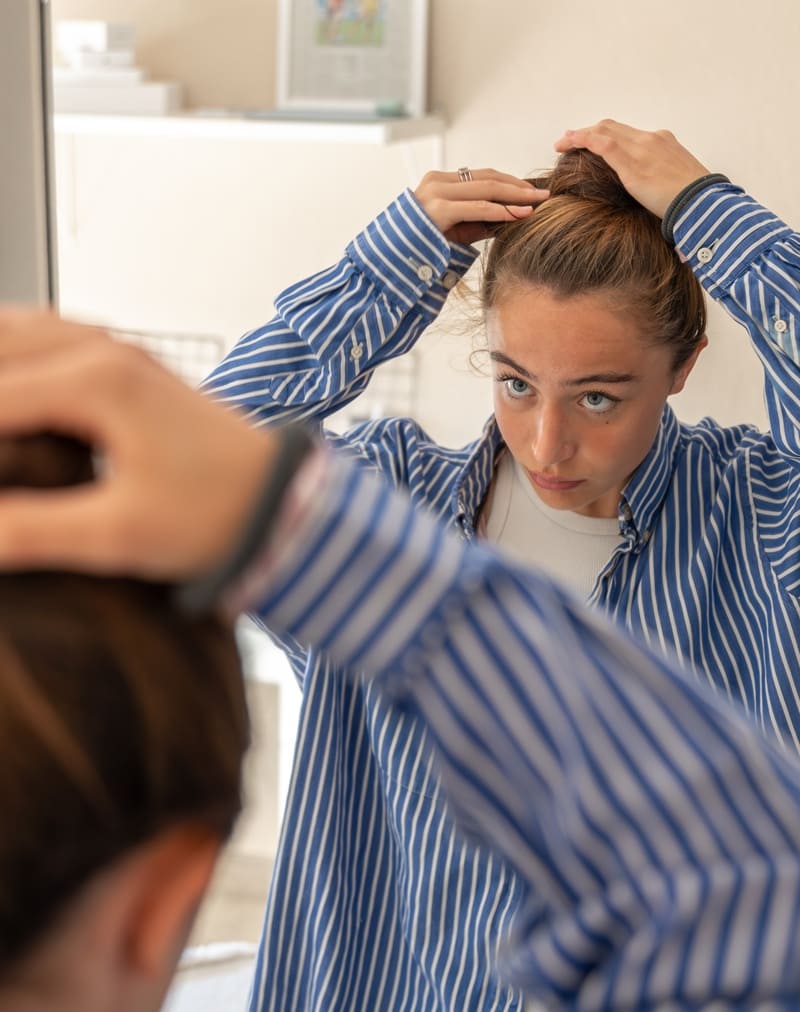
Why Hair Loss Happens in Perimenopause and Menopause — and What You Can Do About It
If you’ve noticed more strands in the shower drain, a widening part, or thinning at the outer edge of your eyebrows, you’re not alone. Hair loss is one of the most common and frustrating changes women face in perimenopause and menopause. And it’s not just about vanity.
In functional medicine, we see hair loss as data from the body. It’s your body’s way of waving a flag that something deeper is shifting — whether in your hormones, your thyroid, your nutrient status, or even your stress response.
Let’s unpack why hair loss shows up in midlife, and more importantly, what you can do to address it.
Why Midlife Hair Loss Happens
Hormonal Shifts
Hair loss in perimenopause and menopause often starts when estrogen and progesterone dip. These hormones play a role in keeping hair in its growth phase, so when they dip, you may notice shedding. At the same time, androgens (like testosterone and DHT) can become more dominant, which sometimes leads to thinning at the crown or a receding hairline.
Thyroid Function
If you’ve noticed thinning at the outer third of your eyebrows, that can be a classic sign of low thyroid function, a common but underdiagnosed issue in midlife. Low thyroid hormones slow your metabolism, and hair follicles are one of the first places to feel the impact.
Nutrient Depletions
Chronic stress, digestive issues, and blood sugar swings can drain the very nutrients your hair depends on, including:
- Iron
- Zinc
- Selenium
- Iodine
- B vitamins
- Protein
- Essential fatty acids
Without enough raw materials, your body will prioritize survival over thick, shiny hair.
Stress and Cortisol
When your nervous system is stuck in fight-or-flight, your body diverts energy away from “non-essential” functions like hair growth. It also disrupts neurotransmitters like serotonin and dopamine. Restoring nervous system balance is often the missing link in recovery.
What You Can Do About It
If you’re struggling with hair loss in perimenopause, you don’t have to just live with it. Hair loss in midlife is not inevitable. Here are some steps you can take:
1. Be Gentle with Your Hair
Skip tight ponytails, avoid tugging and pulling, and minimize high-heat styling tools. Overworked follicles are less resilient in midlife.
2. Nourish from Within
Protein, B vitamins, and healthy fats are three of the most important categories for strong, healthy hair. Here are some additional areas to consider (and why):
-
- Protein: Aim for 20–30g per meal. Hair is made of keratin, a protein.
- Micronutrients: Selenium, zinc, iodine (if appropriate), and vitamin A all support thyroid and hair health.
- Iron and Ferritin Low ferritin (iron storage) is a hidden driver of hair loss in women. But, in functional medicine, we view it as a clue, not the root problem. It often points to deeper issues like chronic infection, gut blood loss, or long-term stress. That’s why it’s important to test and investigate, not just supplement blindly.
- B Vitamins: Especially biotin, B6, and B12 are all essential for strong hair and proper cell energy production.
- Healthy Fats: Omega-3s from salmon, chia, flax, or walnuts nourish your scalp and keep the hair shaft strong.
3. Improve Gut Function
If you can’t absorb nutrients, your hair will feel it first.
- Consider a GI-MAP to check digestive capacity, infections, or microbiome balance.
- If you struggle with protein breakdown, digestive enzymes or bitters can help.
- Addressing gut inflammation also makes sure nutrients like iron and B vitamins are actually being delivered to your hair follicles.
4. Support Hormones & Thyroid
If you’re seeing thinning eyebrows, fatigue, or unexplained weight changes, ask for a full thyroid panel (TSH, Free + Total T4, Free + Total T3, Reverse T3, and both antibodies). Functional medicine can help you realign thyroid and sex hormones so your body isn’t fighting uphill.
5. Test Your Minerals
An HTMA (Hair Tissue Mineral Analysis) can reveal whether your minerals are out of balance — for example, if you’re low in sodium, potassium, or magnesium, your thyroid and adrenals can’t fully support hair growth. This test can be an important piece of the puzzle.
6. Manage Nervous System Load
Reducing and/or releasing nervous system dysregulation allows your body to shift out of “survival mode” and back into repair. Breathing exercises, gentle movement, and boundaries around over-giving can all make a difference.
7. Consider Topical Support
Castor oil and certain peptide-based serums may encourage follicle strength in brows or lashes. Just remember: topical support is only a complement to addressing the deeper root causes.
Bottom Line
Hair loss in perimenopause and menopause isn’t just about vanity, it’s data. By decoding your body’s signals, supporting your hormones, gut, and minerals, you not only reclaim your hair, but also your energy, clarity, and confidence. When you stabilize your hormones, nourish your body, and get to the root of what’s driving your symptoms, your hair can recover – and so can your energy and focus
Ready to Decode Your Midlife Body?
This is the kind of decoding I walk you through in my upcoming book, Your Midlife Body Code.
If you’ve been frustrated by hair loss (whether on your head or at your brows), it’s time to look deeper. My Midlife Body Code Quiz will show you which system of your body is calling out for support first — so you know where to start, instead of guessing.
👉 Take the Midlife Body Code Quiz here