Should You Start HRT? What Every Midlife Woman Needs to Know First
You’ve hit that point where your body feels like it’s speaking a new language and no one gave you the translation guide.
The hot flashes, the restless sleep, the mood swings, the weight that won’t budge… they’ve left you wondering:
“Should I start hormone replacement therapy?”
It’s one of the top questions I get from women in perimenopause and menopause. And I get it – you just want to feel like yourself again.
But here’s what I tell every woman who asks:
Hormone therapy can be a great tool, but it’s not a cure.
Your body has to be ready to use those hormones, not just take them.
Let’s unpack what that really means.
Listen, Watch and Subscribe:
▶️YouTube episode here
What HRT Actually Is
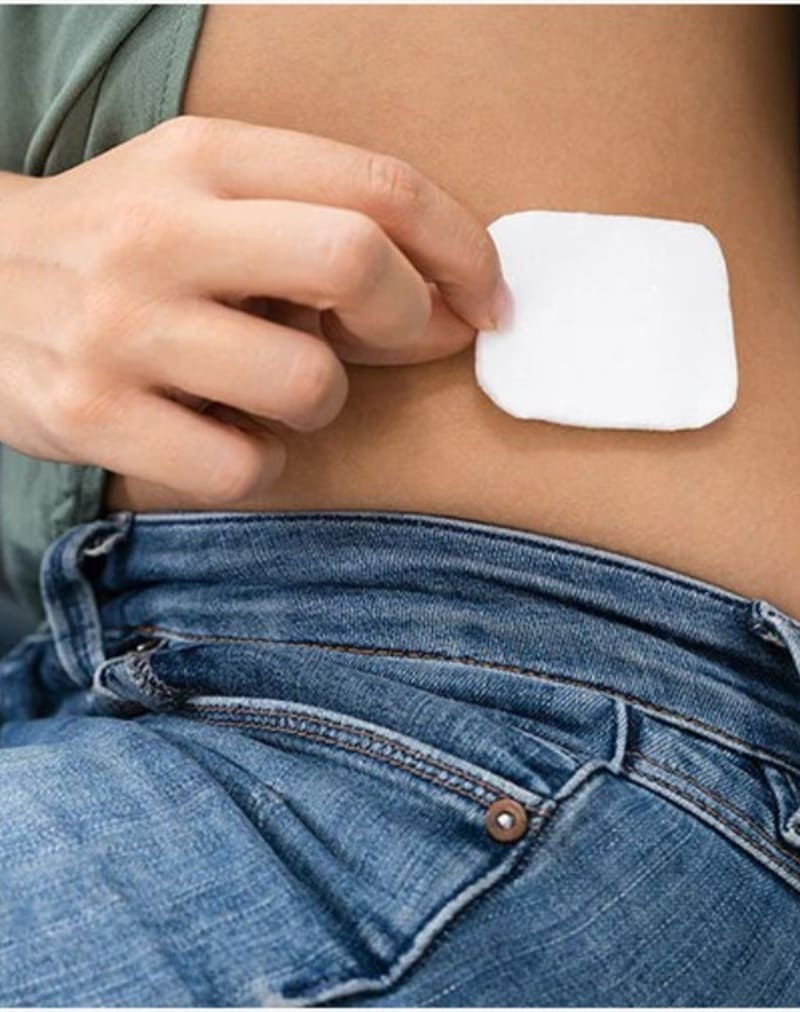
Traditional hormone replacement therapy (HRT) typically uses synthetic hormones or ones derived from animal sources.
Bioidentical hormone therapy (BHRT), on the other hand, uses hormones that are molecularly identical to what your body naturally produces. They can be customized (compounded) for your unique needs or prescribed in standardized forms.
That’s why BHRT tends to be better tolerated – it feels more natural to your system and fits the body’s existing pathways.
But here’s the nuance: even the most natural, bioidentical hormones can cause problems if your body isn’t ready for them.
BHRT is structurally identical to your hormones, but how your body processes, metabolizes, and clears them depends on a few key systems: your liver, gut, minerals, and nervous system. If those are out of balance, adding hormones can backfire.
Why Testing First Changes Everything
If you’re considering HRT or already on it, testing isn’t optional, it’s essential. The DUTCH test goes far beyond what bloodwork can show. It tells you:
- How much estrogen, progesterone, and testosterone your body is actually producing
- How you’re metabolizing and detoxifying those hormones
- Whether your body is favoring protective or inflammatory pathways
That last one is critical.
For example, some women metabolize estrogen into stronger forms (like 4-OH estrogen) that can increase inflammation and DNA damage if the liver and gut aren’t clearing them properly.
So even if you’re taking “the right dose,” you might still experience bloating, fatigue, anxiety, or weight gain, not because hormones are bad, but because your body isn’t processing them efficiently.
The Foundation Comes First
Before layering in any kind of HRT or BHRT, make sure your foundation is solid. That means supporting the systems that allow your body to actually use those hormones safely and effectively.
Here’s where I start with every client:
-
Minerals
Sodium, potassium, magnesium, and calcium are the “spark plugs” for hormone signaling.
If you’re depleted, your cells can’t respond properly, no matter how much estrogen or progesterone you add.
✅ Start your day with an adrenal cocktail (lemon juice + sea salt + cream of tartar or coconut water) to replenish sodium and potassium. Add magnesium at night to calm your nervous system and support sleep.
-
Nervous System
When your nervous system has been running on overdrive, cortisol becomes the dominant hormone. When cortisol stays elevated, it suppresses thyroid and sex hormone function, which is why so many midlife women feel burned out, moody, and hormonally flatlined.
✅ Focus on daily “downshifts” — deep breathing (you can use my Stress-Busting Breath free guide), light stretching, gentle walks, or journaling before bed. Consistency tells your body it’s safe again, which allows your hormones to come back online.
-
Gut & Liver
These two are your body’s hormone regulators and detoxifiers. If bile flow is sluggish or the microbiome is imbalanced, hormones can’t clear efficiently. Instead, they recirculate and cause symptoms like PMS, bloating, and irritability.
✅ Support bile flow with bitter foods (like arugula, dandelion, artichoke) or gentle supplements if needed. Aim for one to two bowel movements per day to keep estrogen moving out, not back in.
-
Blood Sugar
Unstable blood sugar drives insulin resistance and estrogen dominance – two of the biggest midlife hormone disruptors. Balancing protein, carbs, and minerals at each meal creates stability your hormones can build on.
✅ Aim for 20–30g of protein at each meal, eat within an hour of waking, and avoid long fasting windows. If you’re craving sweets or hitting energy crashes, add a protein-rich snack instead of reaching for caffeine.
When HRT Can Help
Once those systems are realigned, bioidentical hormone therapy can be a fantastic tool.
When used intentionally and monitored correctly, it can:
- Improve sleep and mood
- Support bone and heart health
- Reduce hot flashes and vaginal dryness
- Boost energy, libido, and metabolism
The key is layering it in strategically – not as a Band-Aid but as part of a bigger root-cause plan.
While hormone therapy can be an incredible tool when used intentionally and at the right time, timing matters. Research shows it’s most beneficial when started within about 10 years of menopause or before age 60. After that, the benefits often decline and the risks increase.
That doesn’t mean women over 60 have missed their chance, it just means we shift the focus. Instead of adding more hormones, we look at supporting the systems that make and metabolize them naturally: the gut, liver, thyroid, adrenals, and nervous system.
So if you’re well past menopause and your doctor is suggesting HRT, it’s okay to pause and ask whether your body truly needs it or whether it needs rebuilding first.
And once you start (if you do), follow-up testing is non-negotiable. I typically recommend a DUTCH test 3–6 months after starting or adjusting hormones, and a Hair Tissue Mineral Analysis (HTMA) to see how stress and metabolism are shifting.
The Real Question to Ask
Instead of asking: “Should I start HRT?”
Ask yourself: “Is my body ready for HRT?”
Because that’s the difference between chasing temporary relief and creating long-term balance. When your body is nourished, your minerals are restored, and your detox pathways are open, hormones can finally do what they’re supposed to — support vitality, confidence, and calm.
What to Do Next
Start by choosing one or two of these foundations to focus on this week. Maybe it’s eating more protein, drinking your adrenal cocktail, or adding a daily nervous system “reset.”
The goal isn’t perfection, it’s consistency. Small daily actions build the stability your hormones need to rebalance naturally.
The Bottom Line
Hormone therapy can be powerful but it’s not a magic bullet. Your body is the foundation, and the foundation always comes first.
When you decode your data, realign your systems, and reclaim your energy, you won’t have to guess whether HRT is right for you. Your body will tell you.
That’s what Your Midlife Body Code is all about: giving you the roadmap to understand what your body truly needs before layering on any outside support.
Next Step
📘 Your Midlife Body Code — now an Amazon #1 Best Seller
Learn how to decode your symptoms, realign your hormones, and reclaim your vitality. Get your copy here.
💜 Not sure if your body’s ready for HRT? Take my free Decode Your Midlife Body Quiz to find out which system is most out of balance. Take the quiz.